- English
- French
- German
- Portuguese
- Spanish
- Russian
- Japanese
- Korean
- Arabic
- Greek
- German
- Turkish
- Italian
- Danish
- Romanian
- Indonesian
- Czech
- Afrikaans
- Swedish
- Polish
- Basque
- Catalan
- Esperanto
- Hindi
- Lao
- Albanian
- Amharic
- Armenian
- Azerbaijani
- Belarusian
- Bengali
- Bosnian
- Bulgarian
- Cebuano
- Chichewa
- Corsican
- Croatian
- Dutch
- Estonian
- Filipino
- Finnish
- Frisian
- Galician
- Georgian
- Gujarati
- Haitian
- Hausa
- Hawaiian
- Hebrew
- Hmong
- Hungarian
- Icelandic
- Igbo
- Javanese
- Kannada
- Kazakh
- Khmer
- Kurdish
- Kyrgyz
- Latin
- Latvian
- Lithuanian
- Luxembou..
- Macedonian
- Malagasy
- Malay
- Malayalam
- Maltese
- Maori
- Marathi
- Mongolian
- Burmese
- Nepali
- Norwegian
- Pashto
- Persian
- Punjabi
- Serbian
- Sesotho
- Sinhala
- Slovak
- Slovenian
- Somali
- Samoan
- Scots Gaelic
- Shona
- Sindhi
- Sundanese
- Swahili
- Tajik
- Tamil
- Telugu
- Thai
- Ukrainian
- Urdu
- Uzbek
- Vietnamese
- Welsh
- Xhosa
- Yiddish
- Yoruba
- Zulu
What is lufenuron used for?
share:
A benzoylurea insect growth regulator called Lufenuron prevents pests from producing chitin. So, it's a great way to get rid of fleas on pets and pests on farms. This substance is found in animal medicines like Program and Sentinel. It stops flea larvae from building exoskeletons that work. This ends the flea's life cycle. Lufenuron not only keeps animals safe, but it also kills pest insects in gardens, such as western flower thrips, lepidopterans, and eriophyid mites. It also gets rid of fungi on plants. Some of the biggest problems in integrated pest management strategies can be fixed by the way it works. It gives commercial farms, distributors, and pest control companies long-term solutions for using neurotoxic pesticides in a way that is safe for people and the environment.
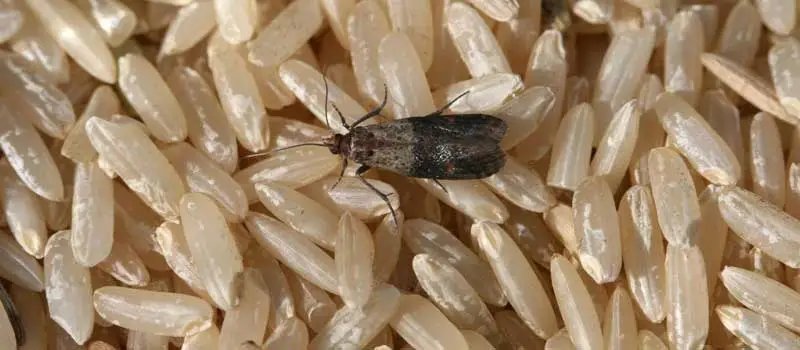
Understanding Lufenuron – Definition and Key Characteristics
Pesticides in the benzoylurea class include Lufenuron. Its main job is to stop the production of chitin, not to damage nerve cells normally. For people who work in procurement and are looking at pest control options, this difference is very important. With the EINECS number 410-690-9 and the molecular formula C17H8Cl2F8N2O3, we can see that the chemical structure makes a lipophilic compound that sticks to plant and animal tissues and works for a long time.
How Lufenuron Works at the Molecular Level
The way it works is by stopping chitin synthase, an enzyme that makes chitin. Chitin is a structural polysaccharide that is found in the walls of fungi and the shells of insects. Adults pass on Lufenuron to larvae when they feed on blood, and it stops the exoskeleton from forming properly during molting. Bugs that are still growing quickly lose water and die without this shell to protect them. Bugs that lay eggs or hatch chicks are killed at their source by this action, but adult bugs are not killed directly. The chemical stays in the body's fat, setting up a system of long-term release that keeps protecting for weeks after it is given.
Technical Specifications for Commercial Applications
The two main types of Lufenuron that Hontai makes are 50G/L Emulsifiable Concentrate (EC) and 98% Technical Concentrate (TC). The right mix is shown by a yellow liquid, and the product stays stable if you keep it somewhere dry. These specs are important for figuring out how fast an app works and how much space it needs. Because the 98% TC formula is so pure, distributors can use different dilution ratios to make concentration products that meet the needs of different markets. People who work on a large scale will save money on labor costs because the EC formulation is ready to use and mixes well with tank mixes.
Lufenuron Applications and Benefits in Flea Control
If you care for pets, you may know that Lufenuron is used to kill fleas in veterinary medicine. It's the only thing that works in Program, and it pairs with milbemycin oxime in Sentinel to protect against all parasites. These applications can help procurement professionals who work with pet care distributors, veterinary supply chains, and animal health service providers.
Breaking the Flea Life Cycle Effectively
Lufenuron Powder 25%WP Larvae stops damage in a process that is very complicated in biology. When pets are given the treatment by mouth or on the skin, the compound builds up in fat stores under the skin. For fleas that feed on treated animals, Lufenuron gets into their blood through their food. It also grows into their eggs as they hatch. The larvae can't make chitin when these eggs hatch, so they can't finish their first molt. The number of fleas can't grow back since this stopped, but adult fleas are still alive. A lot of the fleas in the environment are eggs, larvae, and pupae. This plan works especially well because it targets all of these stages, not just the 5% of adult fleas that can be seen on pets.
Comparative Safety Profile for Procurement Decisions
Veterinary supply chains think about safety when they look at flea control products and decide what to buy. Lufenuron doesn't do much damage to mammals because they don't have chitin synthesis pathways. This makes it picky about how it works. Pets can safely break down and store the compound because their bodies work differently from ours. It won't hurt their own cells. Safety in the world around us is also important. Brain-damaging insecticides work on all kinds of bugs, not just bad ones. On the other hand, only certain stages of pest development are affected by lufenuron. It doesn't get harmful in water, and it breaks down naturally in soil. This is in line with stricter rules about the environment that apply to medicines for animals.
Cost-Effectiveness in Long-Term Flea Management Programs
End users can make more money with longer residual activity, which helps distributors position themselves in the market. Contact insecticides need to be treated every week, but this one dose lasts for 30 days, so it doesn't need to be used as often. This effect lasts longer, which lowers the cost of labor in places that care for a lot of animals, like kennels, vet clinics, and animal shelters. When people buy in bulk, they know exactly how much they will need. This makes planning their inventory easier and means they don't have to buy as many extra supplies during flea seasons.
Comparing Lufenuron with Other Flea Control Solutions
Those who are in charge of buying things should know how Lufenuron compares to other active ingredients that are popular in the market for veterinary pest control. This analysis helps you find the best groups of customers and makes it clearer how to position your products.
Mode of Action Distinctions
Adult fleas are killed by fipronil and other similar chemicals that damage their nerve cells. They die quickly, and pet owners can see the results in a few hours. Lufenuron doesn't treat anything; instead, it stops the next generation from growing. The growth of insects can also be controlled by methoprene. Because it looks like juvenile hormones, it doesn't work the same way. It is important to know these differences in how things work when you are dealing with resistance. When you switch between Lufenuron and adulticides, you keep pests from becoming resistant by attacking them through a number of different biological weaknesses.
Application Format Considerations
Pet owners like collars that give off small amounts of poison slowly over time, but they can be hard to remove and don't always work because of how the pet acts or how the collar fits. Adulticides that are put on the skin need to be carefully applied so that they don't come off when the animal is groomed. Oral tablets with Lufenuron make sure that the right dose is always given and that the same method is always used. This makes them better for institutional settings where people need to follow rules. With injectable forms, the effects can last up to six months. This is helpful for programs that care for stray cats and farms where it's hard to treat them over and over again.
Economic Analysis for Bulk Procurement
The cost of each treatment is very different, based on the kind of product and ingredients that are used. Lufenuron products are typically priced in the middle. Plus, they make more money than generic pyrethroids and are a better deal than high-end combination drugs. It is important to set prices based on volume. When distributors talk to manufacturers like Hontai directly, they can get better deals on large orders. This can help them make more money when they sell to government agencies, veterinary clinics, and agricultural cooperatives. Total landed cost, which shows how profitable a business is, is affected by things like the smallest order size, how you pay, and the cost of shipping.
Procurement Considerations for Lufenuron – Buying and Sourcing Guide
Don't just look at price per unit when you source. You need to look at suppliers in more than one way. A reliable supply chain, consistent quality, and following the rules are all important for long-term partnership success with Lufenuron.
Supplier Certification and Quality Assurance
Manufacturing credentials are very important when looking for chemicals for farming and medicines for animals. Check to see if any possible suppliers are certified in Good Manufacturing Practice (GMP) and follow ISO standards for quality management. Check that the purity meets the standards, which are 98% for technical concentrate and the right amount of active ingredients for formulated products. This can be done by asking for certificates of analysis for each batch of production. Testing by a third party gives you more peace of mind, especially when you're going into new markets with strict rules.
Regulatory Documentation and Export Support
Pesticides and animal medicines that are sold across international borders need a lot of paperwork. Suppliers should send the Material Safety Data Sheets (MSDS), phytosanitary certificates, and registration support documents that the countries where the goods are going to need. Hontai knows a lot about export paperwork, which helps people get their goods through customs and follow the rules in many different markets. This is a great way to help distributors who don't have their own regulatory affairs department or who are moving into new areas.
Supply Chain Reliability and Logistics Planning
Sales of flea control products change with the seasons. The busiest times are before the warm months, when flea populations grow quickly. Buying managers need to make sure they have enough stock before sales pick up during certain times of the year, but they don't want too much stock that slows down their cash flow. Ask possible suppliers about lead times, how much they can produce, and how they handle inventory. You can get more from manufacturers who let you pick the amount you want to order and quickly fill reorders. Things don't go bad if you know how to store them. Lufenuron mixtures should be kept dry and away from temperatures that are too high or too low. You should figure out how much warehouse space you need and whether your area needs climate-controlled sites. Packaging options affect logistics costs. Bulk containers are cheaper to package each item separately, but you need special tools to move them around.
Agricultural Applications Beyond Veterinary Use
Lufenuron is good for plant and animal health, and it is also used as a pesticide on crops to get rid of bugs and fungi that hurt them. These kinds of plants give distributors who work with commercial farms and agricultural service providers more chances to make sales.
Lepidopteran Pest Control in Crop Production
Caterpillars are bad for fruits, vegetables, and cash crops because they eat them. Lufenuron stops larvae from molting when it is sprayed on leaves or soaked into the ground. In this way, they can't feed and hurt the plants at important times during their growth. It can get into the leaf tissues through trans-laminar activity and kill pests that are feeding on the protected undersides of leaves. There are commercial uses for diamondback moths that are attacking brassica crops, fruit orchards that need to get rid of codling moths, and cotton fields that need to get rid of bollworms. This compound is liked by growers who want long-term alternatives to broad-spectrum organophosphates and pyrethroids because it works with integrated pest management plans.
Mite and Thrips Management
Because they change the shape of leaves and leave scars on fruit that make it less marketable, eriophyid mites hurt ornamental plants, citrus, and grapes. A virus is spread by western flower thrips when they feed on valuable greenhouse plants. Lufenuron prevents these insects from molting, which aids biological control efforts in keeping them under control. The low toxicity to predatory mites and parasitoid wasps helps protect beneficial insect populations. This keeps the ecosystem in managed agricultural systems balanced.
Antifungal Properties in Plant Protection
Chitin synthesis inhibitors can hurt fungal cell walls since they have a lot of chitin in them. Lufenuron is good at killing some fungal pathogens that are bad for plants, but this use isn't as well-known as its use to kill insects. It can kill fungi, which can lead to new business opportunities in specialty crop markets. Fungal diseases are expensive, and people need new chemicals to treat them because the old ones don't work anymore. Scientists are still trying to figure out how to use the chemicals most effectively and which types of fungi are most likely to be hurt. If distributors are ready to plan, this could lead to new market opportunities.
Addressing Concerns and Common Questions About Lufenuron Use
When end users ask procurement professionals questions, they need clear answers that are based on facts and take into account things like safety, effectiveness, and the environment regarding Lufenuron. When people can talk to each other clearly, they can trust each other and make smart buying choices.
Safety for Humans and Non-Target Species
Mammals are not in great danger from Lufenuron because they do not have the chitin-making pathways that it does. People who work with the product should follow normal pesticide safety rules and wear the right gear when they mix it and use it. A lot less harm can happen after it has dried on treated surfaces or been broken down in animals that have been treated. Because it only works on certain areas, animals that eat on treated areas are not in great danger. But people who use the product should follow the label's instructions when they're near water to protect fragile ecosystems.
Environmental Impact and Sustainability
Taking care of the environment and being productive are both becoming more and more important in modern farming. Lufenuron's mode of action helps reach these goals because it works right away and breaks down in a good way. Soil has a half-life that ranges from weeks to months, depending on where it is. This means that the poison never fully wears off, but is still strong enough to keep pests away. Water creatures are sensitive to different things, which is why it's important to have buffer zones near bodies of water. It's not as scary to think about trophic transfer to higher organisms since the compound doesn't build up in food chains very quickly.
Resistance Management Strategies
There is selection pressure that helps pest populations become resistant when you only use one method of control for a long time. The right way to use Lufenuron is to mix it with other insecticides that kill different kinds of living things. It's better to use Lufenuron with adulticides because the growth regulators stop new populations from forming, and the contact insecticides lower the pest pressure right away. All of the products in the rotation will last longer with this unified approach. This makes sure that your customers can keep pests under control for a long time and keeps the market interested in your products.
Conclusion
Lufenuron is a key ingredient for procurement professionals who are making pest control lines that can compete in the market. It gives the market a lot of choices because it can kill fleas on animals and pests on crops. It's also safe and doesn't hurt the environment, which helps meet changing consumer and government standards. Distributors can better serve a wide range of customers if they know about the technical features, how to use them, and the economic factors. It is important to work with reliable manufacturers that offer consistent quality, full regulatory support, and flexible supply chains that can adapt to changes in demand that happen with the seasons in this niche market segment.
FAQ
Q1: Is Lufenuron safe for pregnant or nursing animals?
Animal studies have shown that Lufenuron is safe for animals that are pregnant or nursing as long as it is used as directed on the label. Mammals don't have chitin synthesis, which is what the compound does. This keeps it from getting in the way of the growth of a fetus or the production of milk. Approvals from regulators in major markets back up this assessment of safety. People who sell things should make sure that the labels make it clear what uses are allowed and if there are any species-specific limits.
Q2: How quickly does Lufenuron start working after administration?
The chemical has to build up in body fat over time in order to work with the pest control cycle. After being given by mouth, it usually takes 24 to 48 hours for pets to reach tissue concentrations that work. But it takes a few days for the drug to fully work because the tissues need time to soak up the medicine. In farms, larvae die within days of being eaten, but over the course of a few weeks, the number of pests becomes less noticeable as adults finish their life cycles without being able to reproduce. Adulticides that work quickly don't have the same delayed visible effect.
Q3: Can Lufenuron be combined with other pest control products?
Tank mix is easy to add to full-scale pest control programs because it works well with other agricultural inputs. Testing for physical compatibility stops problems with the formulation that could cause it to precipitate or work less well. There are veterinary products that mix Lufenuron with heartworm killers, parasiticides, or ectoparasiticides to make multi-spectrum protection easier to use and more likely to be followed. Distributors should make it clear what kinds of combinations are okay, as some combinations might make one part less useful than the other.
Q4: What shelf life can buyers expect from properly stored Lufenuron products?
Technical concentrates and custom-made goods will work for two to three years if they are kept in sealed containers that are out of the way of extreme temperatures and water. By keeping the mixture stable in a cool, dry place, you can keep the active ingredient from breaking down and the physical properties from changing in a way that would make it useless. When planning procurement, how much to order, shelf life limits should be taken into account, especially for items that don't sell very quickly. When you rotate your stock in the right way, you make sure that customers get the items that are still going strong.
Partner with Hontai for Reliable Lufenuron Supply
End users and distributors all over the world can get high-quality Lufenuron formulations from Hebei Hontai Biotech Co., Ltd., and they also offer full technical support. Our 50G/L EC and 98% TC products are pure and work well because they meet strict quality standards and come with analytical certificates that are specific to each batch. We have been making Lufenuron for a long time and are based in Shijiazhuang, Hebei Province. We know how important it is for the animal and agricultural markets to have a reliable supply chain. A lot of different types of businesses can use our professional sales team because they answer questions quickly, let you choose how much of a product to order, and offer custom packaging options. Fast global logistics make sure that goods get to your facilities on time, which helps just-in-time inventory plans work when the year is busy. When you buy technical concentrate in bulk from Hontai for formulation or ready-to-use emulsifiable concentrate for direct distribution, you can make more money because of their low prices and ideal business terms. Send us an email at admin@hontai-biotech.com to talk about what you want to buy, get samples of our products, or look into OEM opportunities that fit your market position.
References
1. Blagburn, B.L., and Dryden, M.W. "Biology, Treatment and Control of Flea and Tick Infestations." Veterinary Clinics of North America: Small Animal Practice, vol. 39, no. 6, 2009.
2. Rust, M.K. "Advances in the Control of Ctenocephalides felis (Cat Flea) on Cats and Dogs." Trends in Parasitology, vol. 21, no. 5, 2005.
3. Tomlin, C.D.S. "The Pesticide Manual: A World Compendium." British Crop Protection Council, 15th Edition, 2009.
4. Ishaaya, I., and Horowitz, A.R. "Insect Growth Regulators: Mode of Action and Resistance." Encyclopedia of Entomology, Second Edition, 2008.
5. Dhadialla, T.S., et al. "New Insecticides with Ecdysteroidal and Juvenile Hormone Activity." Annual Review of Entomology, vol. 43, 1998.
6. Muller, R. "Chitin and Its Degradation in Parasites." Advances in Parasitology, vol. 49, Academic Press, 2001.
Our customers’ satisfaction speaks for our quality — contact us to experience the same reliable service.