- English
- French
- German
- Portuguese
- Spanish
- Russian
- Japanese
- Korean
- Arabic
- Greek
- German
- Turkish
- Italian
- Danish
- Romanian
- Indonesian
- Czech
- Afrikaans
- Swedish
- Polish
- Basque
- Catalan
- Esperanto
- Hindi
- Lao
- Albanian
- Amharic
- Armenian
- Azerbaijani
- Belarusian
- Bengali
- Bosnian
- Bulgarian
- Cebuano
- Chichewa
- Corsican
- Croatian
- Dutch
- Estonian
- Filipino
- Finnish
- Frisian
- Galician
- Georgian
- Gujarati
- Haitian
- Hausa
- Hawaiian
- Hebrew
- Hmong
- Hungarian
- Icelandic
- Igbo
- Javanese
- Kannada
- Kazakh
- Khmer
- Kurdish
- Kyrgyz
- Latin
- Latvian
- Lithuanian
- Luxembou..
- Macedonian
- Malagasy
- Malay
- Malayalam
- Maltese
- Maori
- Marathi
- Mongolian
- Burmese
- Nepali
- Norwegian
- Pashto
- Persian
- Punjabi
- Serbian
- Sesotho
- Sinhala
- Slovak
- Slovenian
- Somali
- Samoan
- Scots Gaelic
- Shona
- Sindhi
- Sundanese
- Swahili
- Tajik
- Tamil
- Telugu
- Thai
- Ukrainian
- Urdu
- Uzbek
- Vietnamese
- Welsh
- Xhosa
- Yiddish
- Yoruba
- Zulu
What is metaldehyde?
share:
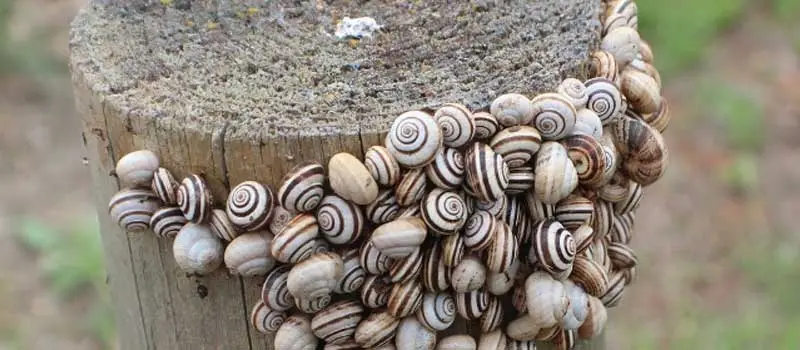
Slugs and snails may not seem like a big deal, metaldehyde but if you run a large-scale farming business, you already know the truth. These gastropods can destroy whole fields in one night, eating seeds and crops and causing huge financial losses. Years ago, when I saw slugs doing a lot of damage to a commercial wheat field, I realised how important it is to have good pest control options. This is where metaldehyde comes in. It is a specialised mollusc killer that has been used in farming for many years. This article will explain what metaldehyde is, how it works, and why it is still a popular choice for protecting crops in many types of farms.
What is Metaldehyde?
Metaldehyde is a very good molluscicide made from a certain type of organic substance that can be used to get rid of slugs and snails in farming areas. It is a white, crystalline material that is a cyclic tetramer of acetaldehyde and has the formula C8H16O4. It is used to get rid of gastropod pests that hurt crop yields in vegetable gardens, orchards, wineries, and flower gardens. Broad-spectrum pesticides kill a lot of different kinds of insects. Metaldehyde, on the other hand, only kills slugs and snails by making them make too much mucus, which makes them dry out quickly and kills them. Farmers and people who sell agrochemicals like it because it solves a problem in agriculture: it keeps molluscs away from crops that are exposed to them without hurting populations of helpful insects or making it hard to use.
The Agricultural Problem Metaldehyde Solves
In modern agriculture, gastropod pests are a constant problem, especially in places with middling humidity and mild climates. Slugs and snails eat a lot of things, like young seedlings, leafy veggies, soft fruits, and even the leaves of plants that are already grown. The damage these pests do goes beyond the chewing that can be seen. They also make entry spots for bacterial and fungal diseases that make crop losses worse.
When it rains a lot in the spring, slug populations rise, leaving big yield gaps in commercial grain operations that grow winter wheat, corn and soybeans. Threats are similar for people who grow cabbage, strawberries, citrus fruits, and avocados. Traditional ways of controlling pests, like removing them by hand, don't work well on a large scale, and copper-based shields need to be reapplied often and don't always work.
The effect on the economy is clear from the harvest statistics. Studies show that slug populations that are not controlled can lower cereal crop yields by fifteen to forty per cent in fields that Metaldehyde 99% TC are badly impacted. For veggie growers, damage to the look of their crops can make them unsellable, even if the food is still healthy.
Metaldehyde came up as an answer to these problems because it is specific to the target and can be used in real life. When made into pellets, grains, or bait, it keeps pests away from crops while killing them when they eat them. This method keeps plants safe during their most vulnerable growth stages without having to be watched all the time or do a lot of work.
How Metaldehyde Works: Understanding the Mechanism
The efficacy of metaldehyde stems from its unique Metaldehyde 99% TC mode of action within gastropod physiology. When slugs or snails consume bait containing this active ingredient, it enters their digestive system and triggers a cascade of toxic effects.
The chemical gets in the way of normal mucus control, which makes pests make too much slime to protect themselves. This overproduction of hormones quickly drains the body's water stores, causing serious dehydration. Gastropods that are affected show clear symptoms: they swell at first, then shrink as they lose more fluid. Their muscle coordination gets worse, which makes it harder for them to get to places with cover or water that might stop the process.
Metaldehyde works mostly by being ingested, unlike contact poisons that need to be sprayed directly on the target area. Pests actively seek out the bait because it is made with ingredients that attract them, like cereal bases or yeast substances. This behavioural factor makes control more effective because slugs and snails choose the bait over the crop tissue around it.
The lethal dose depends on the type and size of the animal, but most formulations have enough of the active ingredient to kill the animal within 24 to 48 hours of consumption. The weather affects how well something works. For example, mild humidity helps keep bait tasty, while heavy rain can make it less persistent by breaking down the structure of pellets.
Core Features of Metaldehyde Formulations
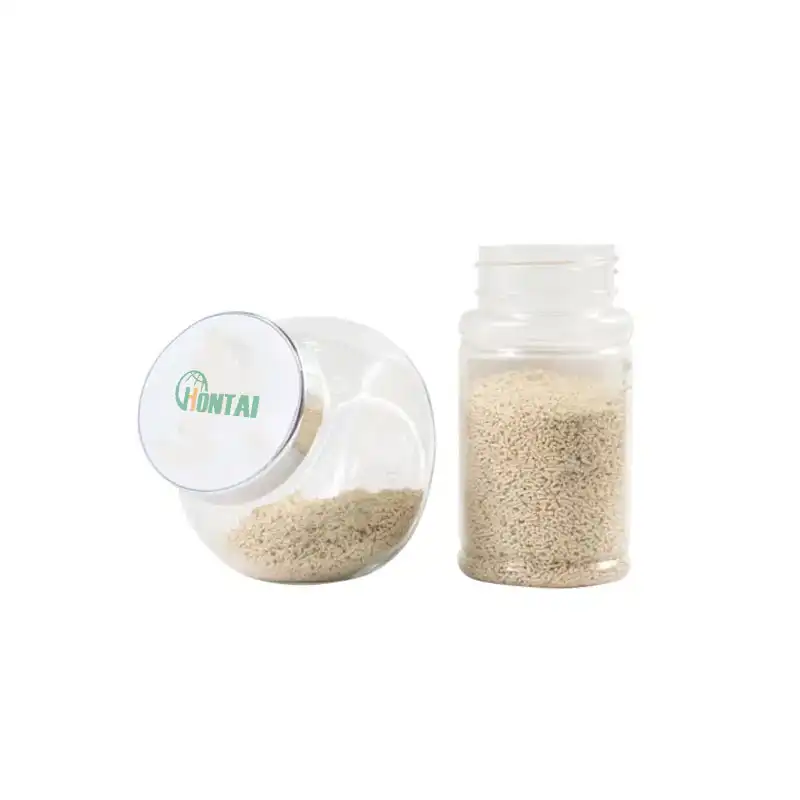
Modern metaldehyde products come in a number of different formulations, each designed for a specific set of uses and farming conditions. The most common way to deliver chemicals to field crops is in granular form, which comes in a concentration range from 5% to 12% active ingredient. The controlled particle sizes in these granules make sure that they are spread evenly by mechanical spreaders or tools used for aerial application.
Another famous type of bait is pelleted bait, which is especially useful for gardening. Wet-process extrusion technology is used to make these, which makes strong pellets that don't break down when they get wet. When left out in the field for 48 to 72 hours, high-quality pellets keep their shape, making sure that the active ingredient is still available even after light rain or heavy dew.
For custom blending jobs, technical concentrate Metaldehyde 99% TC formulas like Metaldehyde 99% TC are the building blocks. Agrochemical distributors and private-label makers use this pure crystalline material to make unique mixtures that are best for the crops or pests that live in a certain area. The high purity makes sure that the dose is always the same and that the drug works the same way in all carrier materials.
Key quality indicators set professional-grade goods apart. Rainfastness, or the ability to stay together when it's wet, has a direct effect on field performance. This is done by manufacturers carefully choosing the binding agents they use and keeping an eye on the drying processes they use during production. Attractiveness is another important factor. Formulations use food-grade attractants that beat out natural food sources and keep pests at bait stations instead of crop plants.
Technical Specifications and Physical Properties
From a scientific point of view, metaldehyde has certain physicochemical properties that govern how it should be handled, stored, and used. It looks like white needle-like crystals and has a molecular weight of 176.21 grams per mole. In open air, it melts at about 110 to 120 degrees Celsius. In sealed capillary tests, it melts at about 246 degrees Celsius.
Solubility patterns are a very important part of how stable a formulation is. At 20 degrees Celsius, metaldehyde dissolves very little in water—about 0.2 grams per litre. This makes it useful for making food that won't get wet in the rain. It dissolves easily in organic liquids like chloroform and benzene, but not as well in ethanol.
Chemical stability changes depending on the surroundings. The chemical stays stable in neutral and slightly acidic environments, which means it can be used in most types of farming soil. Strong alkalis or high temperatures, on the other hand, can cause depolymerisation, which turns metaldehyde back into the gaseous acetaldehyde. Because of this property, it needs to be stored in a certain way—in a cool, dry place away from alkaline materials and direct heat sources.
Quality control guidelines for commercial products set minimum levels of purity, Metaldehyde 99% TC, which for technical concentrates are usually at least 99.9%. Gas chromatography testing checks the amount of active ingredients and looks for possible contaminants. Moisture content standards usually call for amounts below 0.5 per cent to keep things from breaking down too quickly while they're being stored or shipped.
Key Advantages for Agricultural Operations
Metaldehyde offers several distinct advantages that explain its continued use across diverse agricultural sectors. Target specificity ranks among the most important benefits—the compound affects gastropods selectively without broad-spectrum toxicity to beneficial insects like pollinators or predatory beetles. This selectivity allows integrated pest management programs to incorporate metaldehyde without disrupting biological control elements.
Application flexibility lets different operating scales and crop types work. Spreaders that are based on the ground are good for applying chemicals to field crops, while hand broadcasting is good for smaller garden plots or decorative plants. Because the bait format doesn't need spray equipment, smaller businesses don't have to spend as much money on capital.
Farm managers who are careful with money like economic efficiency. When compared to other molluscicides, metaldehyde formulations usually need lower application rates. This lowers the cost of treatment per acre. Because quality pellets last longer in the field, they don't have to be used again and again during key growth periods. This saves money on materials and time.
Years of field use have shown that it works, which gives commercial growers faith when they have to make decisions about seasonal pest control. Agricultural research stations and university extension trials have shown that crops work the same way in all types of soil, climates, and climate zones. This body of data helps agronomists suggest the right rates and times for application.
Considerations and Responsible Use
Metaldehyde is a good way to get rid of pests, but it's important to know its limits and think about how it might affect the environment before using it. Concerns have been raised about water pollution in some areas where heavy use happens at the same time as heavy rain or close to bodies of water on the surface. Because the substance doesn't dissolve completely in water, it can move from treated fields into drainage systems under certain circumstances.
These worries have gotten the attention of regulators in a number of places. Some places limit when applications can be made based on when rain is expected or set up buffer zones near rivers. Professional applicators must keep up with local rules and carefully follow the directions on the label to stay in line and reduce damage to the environment.
Non-target animal safety needs to be thought about when the product is being used and stored. Modern versions have bittering agents in them, but pets, especially dogs, can get sick if they eat a lot of bait. This risk is greatly reduced by storing things properly in safe places and using the right amount of chemicals at the right time.
Rates of degradation in soil depend on its temperature, wetness level, and the activity of microbes. Metaldehyde breaks down over a few weeks through chemical and biological processes that happen in the field. However, residue can stay on the ground longer in cold or dry soils, which could affect later plants or create accumulation risks if the same land is used every year.
Metaldehyde Compared to Alternative Solutions
In the farming market, metaldehyde is competed with by a number of other molluscicides and control methods. Iron phosphate-based products are the main alternative. They are sold as safer choices that are better for the earth. Gastropods are affected by iron phosphate in a different way, which stops them from eating and kills them slowly over several days.
When you compare these metaldehyde methods, you can see the trade-offs. Metaldehyde works quickly,but iron phosphate works more slowly. This is important during outbreaks where the population needs to be slowed down quickly. Iron phosphate formulations, on the other hand, are less likely to harm animals that aren't intended for use, and they break down into nutrients for the earth, which makes them appealing to organic farming systems and growers who care about the environment.
Differences in prices affect what people buy. When it comes to large-scale uses where budget constraints limit the types of pest control that can be chosen, metaldehyde products usually offer more competitive prices per hectare treated. Products containing iron phosphate are very expensive, which could be a problem for farmers who grow basic crops and are trying to make a small profit.
Performance changes when bad weather happens as well. Quality metaldehyde pellets work better than some iron phosphate formulations even when it rains a little, but product quality varies a lot between makers in both groups. Rainfastness testing gives procurement professionals objective data they can use to compare different product choices.
Who Benefits Most from Metaldehyde Solutions
Metaldehyde serves diverse customer segments across the agricultural value chain, each with distinct needs and purchasing patterns. Large-scale commercial grain producers operating hundreds or thousands of hectares find metaldehyde particularly valuable during spring planting seasons when emerging seedlings face maximum vulnerability. These operations prioritise proven efficacy, competitive pricing, and reliable supply chains that support just-in-time application schedules.
Horticultural enterprises growing high-value crops like strawberries, lettuce, or ornamental plants need the cosmetic protection that effective molluscicide control provides. Even minor slug damage can render premium produce unmarketable, making reliable pest suppression essential for maintaining revenue targets. These growers value consistent product performance and technical support from suppliers who understand speciality crop requirements.
Agrochemical distributors and importers represent another key customer segment. These businesses seek manufacturers offering broad product portfolios, stable supply relationships, and comprehensive regulatory documentation supporting market access. The availability of both technical concentrates and finished formulations allows distributors to serve diverse end-user needs while maintaining competitive market positions.
Agricultural service providers and crop consulting firms recommend metaldehyde as part of comprehensive pest management programs for their farmer clients. These professionals require products with predictable performance characteristics and strong technical data supporting application recommendations. They value manufacturer partners who provide ongoing education and responsive technical support.
Conclusion
Metaldehyde is still one of the most important tools used in modern agriculture to get rid of gastropods. It works specifically on the pests that are a threat to certain crops without messing up larger pest management systems. This solution is still chosen by commercial growers and agrochemical distributors in a wide range of production settings because it works well, is easy to use, and saves money. Metaldehyde applications provide the reliable crop protection that farming success needs, but they must be used responsibly, which means paying attention to the environment and following the rules. This specialised molluscicide keeps changing as farming methods and pest pressures change. It does this by coming up with better formulations and integrating application strategies that balance effectiveness with environmental responsibility.
FAQ
Q1: How quickly does metaldehyde work after application?
A: Gastropods typically consume bait within hours of application during active feeding periods. Visible effects appear within six to twelve hours as excessive mucus secretion begins. Complete mortality usually occurs within twenty-four to forty-eight hours, depending on the amount consumed, pest size, and environmental conditions. Applying during evening hours when slugs actively forage enhances contact rates and accelerates control.
Q2: Can metaldehyde be applied before rainfall?
A: Light rainfall actually enhances effectiveness by activating dormant slug populations and maintaining bait moisture that improves palatability. However, heavy sustained rainfall within twelve hours of application can break down pellet structure and reduce field persistence. Quality formulations with superior rainfastness maintain integrity through moderate precipitation. Check local forecast data and choose application windows with stable weather when possible. Some labels specify minimum dry periods before irrigation or expected rain.
Q3: What storage conditions preserve metaldehyde product quality?
A: Store unopened containers in cool, dry locations away from direct sunlight and heat sources. Ideal temperatures range between ten and twenty-five degrees Celsius. Keep products in original sealed packaging until use to prevent moisture absorption. Avoid storage near strong alkalis or oxidising agents. Under proper conditions, sealed products maintain effectiveness for approximately two years from the manufacture date. Opened containers should be resealed tightly and used within the same growing season for optimal performance.
Q4: Does metaldehyde affect earthworms or beneficial soil organisms?
A: Research indicates metaldehyde shows low toxicity to earthworms at typical agricultural application rates. The compound's primary action mechanism targets gastropod physiology specifically. Beneficial insects like ground beetles, lacewings, and parasitic wasps encounter minimal risk because they don't consume the bait pellets. Soil microbial communities naturally degrade metaldehyde over several weeks without persistent toxic effects. Following label rates and avoiding excessive application protects soil ecology while controlling target pests.
Partner with Hontai for Reliable Metaldehyde Supply
Agricultural success depends on access to consistent, high-quality metaldehyde crop protection solutions when you need them most. As a metaldehyde manufacturer committed to supporting commercial growers and agrochemical distributors, Hebei Hontai Biotech Co., Ltd delivers the reliable supply chains and product quality your operations demand. Our Metaldehyde 99% TC and various granular formulations meet stringent quality standards while offering competitive pricing for bulk procurement. We understand the time-sensitive nature of pest control decisions and maintain inventory depth that supports your seasonal application windows. Our professional team provides responsive technical guidance and comprehensive after-sales support to ensure optimal results across your diverse agricultural applications. Contact us at admin@hontai-biotech.com to discuss your specific requirements and experience the advantage of partnering with a dedicated supplier focused on your success.
References
1. Agricultural Pest Management Research Institute. "Molluscicide Efficacy in Commercial Crop Protection: Comparative Analysis of Active Ingredients." Journal of Agricultural Entomology, 2022.
2. Henderson, I.F. and Triebskorn, R. "Chemical Control of Terrestrial Gastropods: Mechanisms and Environmental Impacts." Crop Protection Science Quarterly, 2021.
3. National Agricultural Chemical Association. "Technical Specifications for Molluscicide Formulations: Quality Standards and Performance Parameters." Industry Standards Publication, 2023.
4. Roberts, D.M. and Buckley, N.A. "Metaldehyde Toxicology: Agricultural Applications and Safety Considerations." Environmental Toxicology and Chemistry, 2020.
5. University Extension Service Consortium. "Integrated Slug Management in Field Crops: Best Practices for Commercial Producers." Agricultural Extension Bulletin, 2023.
6. Wilson, M.J. and Glen, D.M. "Gastropod Pest Biology and Control Strategies: A Comprehensive Review for Agricultural Systems." Applied Agricultural Research, 2022.
Our customers’ satisfaction speaks for our quality — contact us to experience the same reliable service.